-
Find Managed, Flexible & Serviced Offices In Euston NW1 - London - UK
Search againFlexible Office Space for Rent in London

-
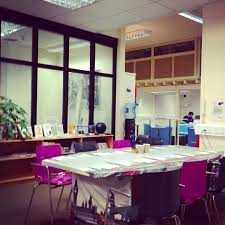
Co-working space on Euston Street, London NW1
If you are searching for a vibrant co-working space near London Euston station then this flexible workspace hub on Euston Street could provide the perfect solution. Read More about this serviced office space

Call Us: 020 3051 2375 Let us find your office space for you here
-
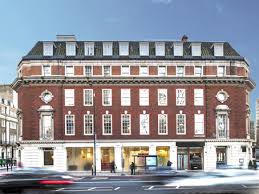
Upper Woburn Place, Euston
If you walk out of Euston Station, you will see a proud 5-storey red-brick Georgian property facing you; it is positioned on the opposite side of Euston Road (A501) and provides modern furnished serviced office space with the latest furnishing, fittings and business technology. Read More about this serviced office space
Call Us: 020 3051 2375 Let us find your office space for you here
-
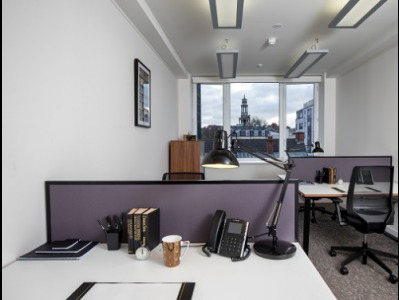
Office space near Euston Station, Eversholt Street London NW1
Euston is in central London and is home to London Euston railway station which is the 5th busiest stations in the UK and is the busiest inter-city passenger terminal in the country. Read More about this serviced office space
Call Us: 020 3051 2375 Let us find your office space for you here
-
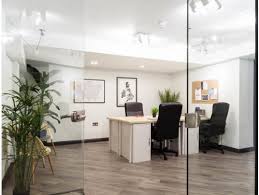
Chalton Street, Euston London NW1
This coworking space centre is based on Chalton Street which is in between Euston and Kings Cross stations off Euston Road. Read More about this serviced office space
Call Us: 020 3051 2375 Let us find your office space for you here
-
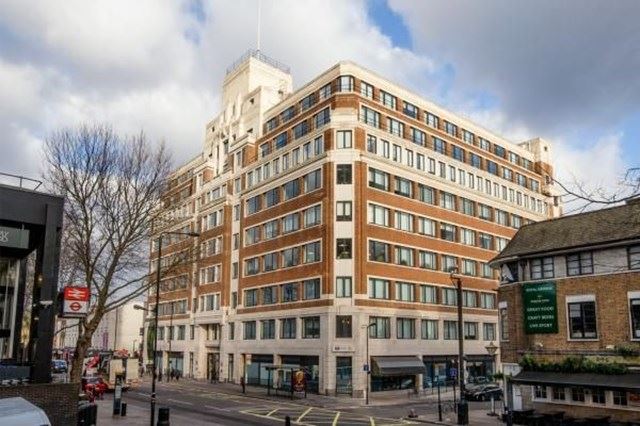
Eversholt Street, Euston, NW1 1AD
If you are searching for office space close to Euston train station then you can’t get much closer than this! Euston House is adjacent to the station and provides its occupiers with all of the benefits of being situated in this high-growth area of Central London. Read More about this serviced office space
Call Us: 020 3051 2375 Let us find your office space for you here
-

Evergreen House, London Euston NW1
Enjoying a fantastic location opposite Euston Station this flexible workspace centre couldn’t be better positioned. Read More about this serviced office space
Call Us: 020 3051 2375 Let us find your office space for you here
-
Euston Tower, Euston Road, Euston NW1
Euston Tower is the home to this boutique serviced office space in the national and international travel hub of Euston. Read More about this serviced office space
Call Us: 020 3051 2375 Let us find your office space for you here
-

The Podium, 1 Eversholt Street, Euston NW1
The serviced offices are located adjacent to Euston train station so they make the commute simple and efficient as well as easy to visit for clients. Read More about this serviced office space
Call Us: 020 3051 2375 Let us find your office space for you here
-
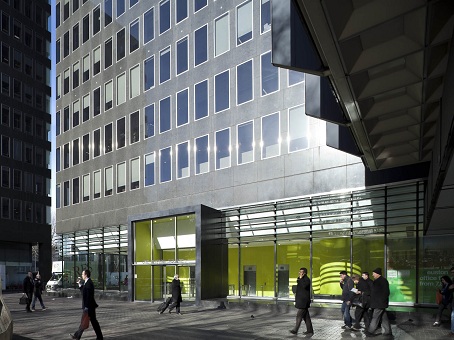
Euston Square, Melton Street, London, Euston NW1
This Euston serviced office centre is spread over four floors of the Richard Seifert-designed office tower adjacent Euston Station. Read More about this serviced office space
Call Us: 020 3051 2375 Let us find your office space for you here
-
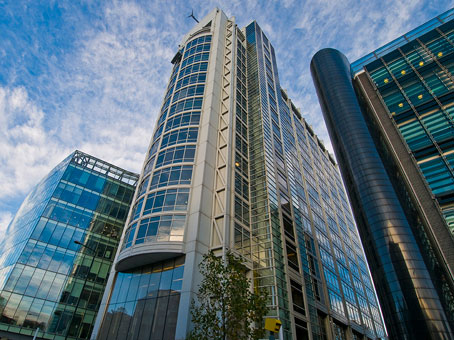
Regent’s Place, Euston NW1, London
These flexible offices are positioned in a striking modern office building close to Regent's Park and fronting one of London's main East-West routes, the property is excellently located and is already home to high-profile organisations such as Grant Thornton International Ltd. Read More about this serviced office space
Call Us: 020 3051 2375 Let us find your office space for you here
-
Showing page 1 of 1
Is London a good place to locate a business?
How do I search for office space in London?
Is London a good fit for freelancers, entrepreneurs and start-ups?
The capital city provides opportunities to link up with like-minded entrepreneurs, find business partners, and to network within all business fields.
London is the ideal place to launch or develop a tech-based business or a creative enterprise, and you’ll find a strong support infrastructure. If you hope to start a partnership or alliance within your field, London provides access to some of the world’s most exciting and creative companies.
As you would imagine in such a vibrant and commercially-important city, there are various networking opportunities for all business sectors. Co-working spaces in London are often a good place to meet and network, and services such as Meetup are great for finding information on thousands of business and non-business events that are held across the city every month.
You can check on upcoming events on the link below:

London has a vast transport infrastructure so there are many ways of both travelling to and getting around the city. For all information relating to taxis, buses, the tube, the DLR, London Overground, cycling and all other forms of transportation, the Transport for London website is a great reference point:

Accommodation In London
London Weather
London is located in the South East of the UK and so it experiences some of the best weather relative to the rest of the country. That said, that weather is reliably variable throughout the year so it is often best to check a reliable forecast.
One such example is AccuWeather:
